Generative AI &
the Future of Scholarship
May 21–22, 2026 · The Ohio State University
A focused, two-day workshop bringing together a representative group of scholars from across astronomy and physics to confront a pivotal question: as AI reshapes how science is done, how do we bring the community along—and what does scholarship look like on the other side?
Why This Workshop, Why Now
Generative AI is no longer a curiosity—it is rapidly reshaping how research is conceived, executed, and communicated. A subset of the community, especially younger researchers, already uses these tools extensively for coding, literature searches, writing, and data analysis. Yet a large fraction of the field has not yet engaged, creating a widening gap that affects how we assess merit and scholarship.
This workshop addresses both sides of that divide. First: how do we ensure the broader community can participate in and benefit from these tools? A shared baseline is essential for the fair evaluation of scientific contributions. Second: as AI assumes responsibility for routine coding, literature review, and data analysis, what are the implications for how we define and evaluate scholarship?
We aim to invite a representative group of scholars to produce a community white paper that catalogues the current capabilities of generative AI for astronomical research and education, and articulates a path forward for the discipline.
May 21–22, 2026 · The Ohio State University, Columbus, OH
Three Interlocking Themes
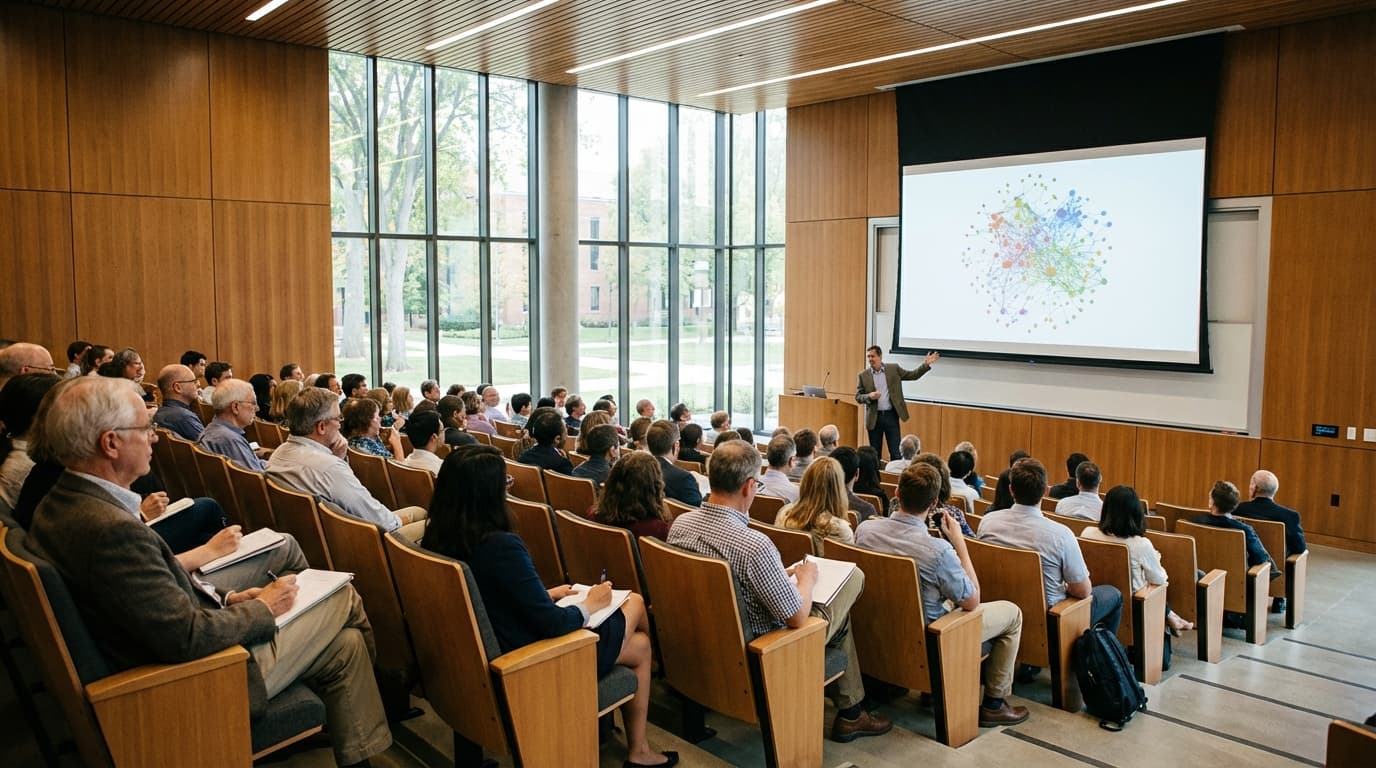
The workshop is organized around three interconnected questions that together define the scope of our discussions.

Bringing the Community Along
From awareness to fluency
A significant portion of the astronomical community has not yet engaged with generative AI tools. This theme examines best practices for staged, accessible training—from introductory sessions on prompting and AI toolkits, through AI-augmented coding workflows, to agentic programming from the command line. The central question: how do we design pathways that build intuition and confidence without requiring deep technical prerequisites?
Redefining Scholarship
Merit, training, and the next generation
As AI assumes responsibility for routine problem-solving—coding, data analysis, literature synthesis—the skills that distinguish researchers will shift. AI may be strong at problem-solving yet comparatively weak at problem-finding. How do we train the next generation to develop the judgment and creativity that matter most? And how should the community evaluate contributions in an era of AI-assisted research?
The Institutional Landscape
Workforce, funding, and adaptation
The economics of research are changing. When advanced AI tools cost a fraction of supporting a postdoctoral researcher, the implications for workforce development, graduate enrollment, and funding models are significant. This theme examines how universities, funding agencies, and collaborations should adapt—and how the open-source AI ecosystem may shape the trajectory.
Draft Schedule
A preliminary two-day program combining presentations, panel discussions, breakout sessions, and collaborative writing. Subject to refinement.
Wednesday, May 21
Understanding & Upskilling
Workshop objectives, scope, and expected outcomes
Lightning talks: current AI capabilities in astronomical research, with examples from participants
Training approaches, institutional challenges, and effective models for faculty upskilling
Small-group deep dives on specific topics
Synthesis of breakout sessions, identification of gaps and priorities
Thursday, May 22
Implications & Synthesis
Panel and discussion: evaluating merit and rethinking education in an AI-assisted landscape
Continued small-group discussions on key topics
Workforce implications, funding models, and the evolving role of universities
Consolidating discussion outcomes and assigning follow-up responsibilities
Schedule is preliminary and will be updated as the program is finalized.
Organizing Committee
Scientific Organizing Committee
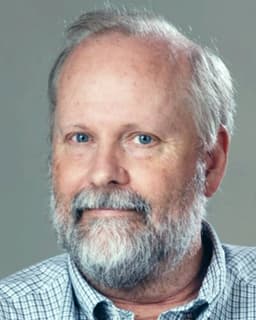
Christopher Stubbs
Harvard University
Professor of Physics & Astronomy
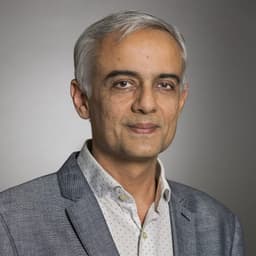
Bhuvnesh Jain
University of Pennsylvania
Professor of Physics
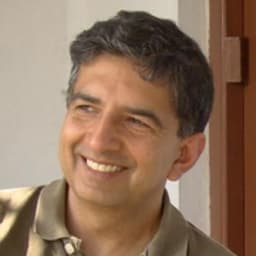
Salman Habib
Argonne National Laboratory
Division Director
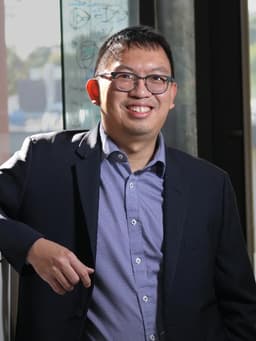
Yuan-Sen Ting
The Ohio State University
Associate Professor of Astronomy
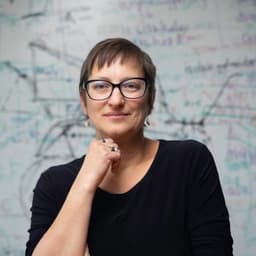
Risa Wechsler
Stanford / SLAC
Professor of Physics & Astrophysics
Local Organizing Committee
Yuan-Sen Ting
The Ohio State University
Associate Professor of Astronomy
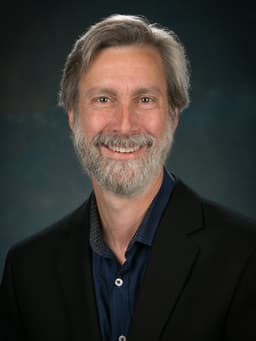
David Weinberg
The Ohio State University
Distinguished University Professor
Partner Organizations

OSU
Computational and Agentic Scientific Practices, Epistemology, and Reasoning
OSU
Center for Cosmology and AstroParticle Physics
Venue & Travel
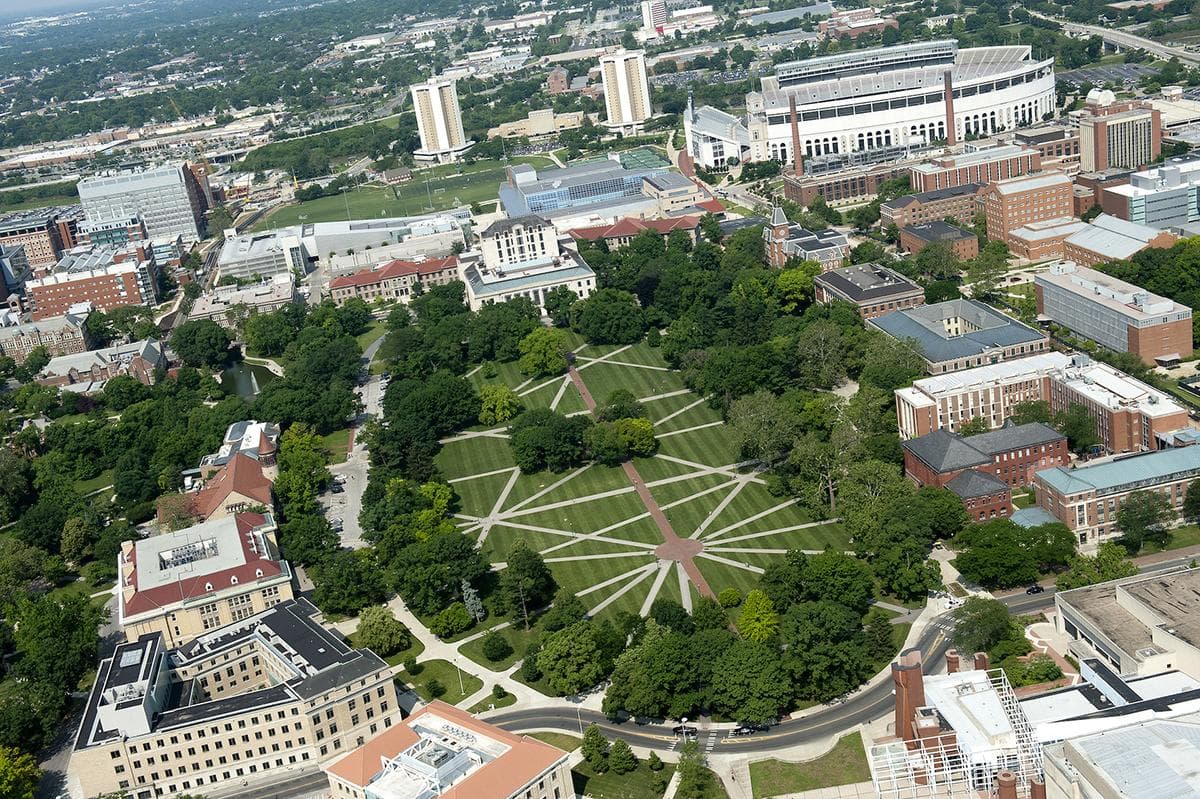
The Ohio State University
Hosted by the Department of Astronomy and CCAPP.
Room and building details will be shared with confirmed participants.
Dates
Wednesday, May 21 – Thursday, May 22, 2026
Plan to arrive the evening of May 20. Workshop dinner on May 21.
Getting There
John Glenn Columbus International Airport (CMH)
~15 minutes from campus. Rideshare and taxi readily available.
Accommodation
The Blackwell Inn — on the OSU campus
We will aim to reserve a block of rooms for workshop participants. Details to follow.